

2025 Year in Review (Plus A Sneak Peak at 2026)
A look back at our biggest year yet and what comes next
With 2025 behind us, we wanted to take a moment to reflect on an incredible year for Secrets of Privacy, to thank you for being part of it, and give a sneak preview of what’s to come this year.
This year marked some major milestones. In September, the newsletter turned two years old, and we crossed 3,000 subscribers. We fell about 2 subscribers short of 4,000 at midnight on December 31, but have since crossed 4,100!
We have readers in 49 states and 90+ countries around the world. We even reached the top 50 in Substack’s Technology category.


None of this happens without you. Every week you choose to open, read, and share these posts. That’s what keeps this publication going.
Your Favorite Posts of 2025
Based on reader engagement (likes, comments, and shares), here were the most popular posts of the year:
1. The iPhone Setting That Quietly Exposes Your Location History (June)
This quick privacy win resonated with readers. We showed how to disable Apple’s Significant Locations setting to stop your iPhone from logging your movements.

2. Escaping the Google Trap (July)
We broke down how Google links your data across services and offered practical alternatives. And provided the strategy and tools to de-Google your digital life.

3. Is It Time to Leave Windows for Linux? (December)
With Microsoft’s increasing data collection via Windows 11 and Recall, we explored whether Linux is finally a realistic option for privacy-conscious users.

4. How to Find and Disable Hidden Trackers on Your Car or Bag (October)
A practical guide to spotting AirTags and Bluetooth trackers. We included a 90-second drive-home routine to stay safe.

5. Smart TV Privacy Settings: How to Disable Tracking on Every Major Brand (September)
This was a three part guide that we’ve since consolidated into a single post. We took a look at (1) the main risks of smart TVs and how to take control using existing settings, (2) advanced defenses like network filtering and external devices, and (3) popular streaming devices like Roku and how to mitigate the privacy risks of those devices.

The Big Privacy Themes of 2025
Looking back, several themes dominated the privacy landscape this year:
1. AI Privacy Traps
From the viral Ghibli image trend (where millions uploaded personal photos to ChatGPT) to browser history leaks from AI chat tools, 2025 showed just how quickly AI can erode privacy. We covered these risks extensively and highlighted privacy-friendly alternatives like Brave AI and DuckDuckGo AI chat. See here and here.
2. Microsoft’s Privacy Backslide
Windows 11’s Recall feature quietly captures screenshots of everything you do. We warned readers about this growing threat and explored migration paths to Linux. See here.
3. AI-Powered Scams Go Mainstream
Scammers are recycling old breach data with AI to create hyper-personalized attacks. Voice cloning, deepfakes, and AI-generated phishing messages made this a dangerous year for the unprepared. See here and here.
4. Big Tech Ecosystem Lock-in
We examined how Google and others use ‘convenience’ to trap users in their data-harvesting ecosystems, and provided practical escape routes. See here.
5. Hidden Surveillance Technologies
From ultrasonic beacons that track you across devices to hidden AirTag trackers, we exposed the invisible ways your movements are being monitored. Read more here and here.
Resources We Updated
We also kept our evergreen resources fresh throughout 2025:
Our Personal Privacy Stack — Last updated in July with our current recommendations for email, VPN, browsers, AI tools, and more. Take a look here.
Privacy Bookshelf — Refreshed in March with the latest top books on personal privacy and information security. Grab your next read from our bookshelf here.
Looking Ahead to 2026
Privacy threats will continue to evolve, and so will we. In 2026, expect more of:
One of a kind guides to become a harder target. We’re finishing up a DIY tracker for data broker opt outs that will be available around February. We’re also finalizing a unique privacy guide for political activists. That should be ready in Q2, just in time for the U.S. mid-term election season.
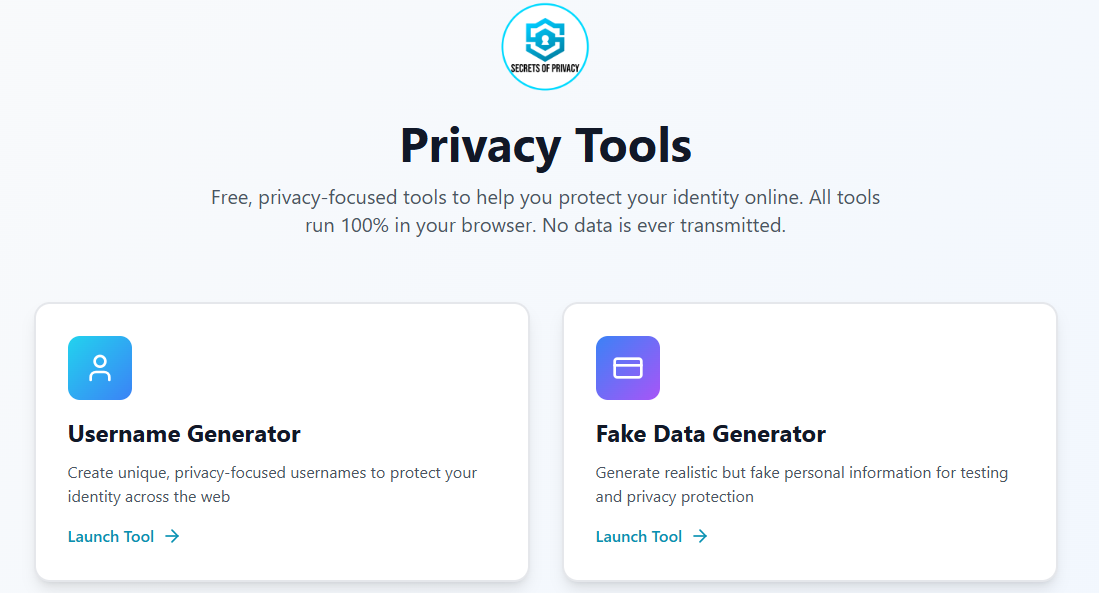
Privacy-first tools and services worth your attention. If you follow us on Substack, you saw we teased the release of two tools - a unique username generator and fake data generator. Look for these to go live in Q1, with others on the way.
AI privacy risks and emerging privacy-first AI alternatives. We’re working on a new, updated look at private AI options and best practices.
New scam techniques and how to protect yourself.
Subscriber Chat
We’re excited to announce that in the new year, we’ll be launching Substack Chat for the Secrets of Privacy community.
Think of it as our own private space (away from the noise of social media) where subscribers can connect directly with us and with each other.
Unlike our regular posts, Chat is a real-time, subscriber-only forum where you can ask quick questions, share privacy wins, flag emerging threats you’ve spotted, and discuss topics that matter to this community.

We’ve heard from many of you who want more interaction beyond the weekly newsletter, and Chat gives us a way to do that without forcing you onto yet another platform. It’s built into Substack, so there’s no new app to download or account to create. Just open the Substack app or visit the website, and you’re in.
We’ll be experimenting with different formats: open Q&As, live discussions during major privacy news events, and community threads where you can share your own tips and tools.
More details to come, but if you’ve ever wished you could ask a quick follow-up question or swap notes with fellow privacy-conscious readers, this is for you.
Thank You
Whether you’ve been here since issue #1 or joined last week, thank you for being part of the Secrets of Privacy community. Your support (reading, sharing, commenting, and subscribing) is what makes this possible.
Here’s to becoming even harder targets in 2026.
Friendly Ask
If you found our newsletter helpful or informative, chances are your friends and family will as well. Please share it with them to help spread awareness.
Looking for help with a privacy issue or privacy concern? Chances are we’ve covered it already or will soon. Follow us on X and LinkedIn for updates on this topic and other internet privacy related topics.
Disclaimer: None of the above is to be deemed legal advice of any kind. These are *opinions* written by a privacy and tech attorney with decades of working for, with and against Big Tech and Big Data. And this post is for informational purposes only and is not intended for use in furtherance of any unlawful activity. This post may also contain affiliate links, which means that at no additional cost to you, we earn a commission if you click through and make a purchase.

Privacy freedom is more affordable than you think. We tackle the top Big Tech digital services and price out privacy friendly competitors here. The results may surprise you.
Do you own a Smart TV? If so, you won’t want to miss this post from our three part series on How To Make Your Smart TV Less Creepy.
If you’re reading this but haven’t yet signed up, join for free (4,100+ subscribers strong) and get our newsletter delivered to your inbox by subscribing here 👇
it was great working with you this year.
“With Microsoft’s increasing data collection via Windows 11 and Recall, we explored whether Linux is finally a realistic option for privacy-conscious users.”
this was one of my favorite articles from the list. Linux is getting really approachable these days for the less tech savvy. it’s time they dabbled a little more and see why we all love linux!